
What paying attention to the details can mean for reflection
Commentators in many sports will discuss obscure and seemingly unimportant statistics. To the average punter this may seem like a waste of time. Though there is nuance in the conversation. To the trained eye (or ear) it is clear how those small 1% efforts are shifting the tide of the game. Lately I have been wondering if walking into the staff room of a school is the litmus test of staff culture.
A school staffroom can wear many different hats. Woods1 establishes the necessity for staff to create humour in a space free of students and management, though the humour is dependent on the psychological state of the educator. Once more we consider the notion that the conditions in which staff work are the conditions in which students learn. While staff may find a place of mental rest in the staffroom there is not the requirement for this to be at the expense of a positive school culture.
Leadership is crucial in the facilitation of a positive working culture in any industry and schools are no exception. Negative cultures do not happen overnight and are a result of behaviour patterns, an avoidance in navigating conflict and the unwillingness to address the inevitable team failure that is organic for a school2. Conversations in the staffroom can colloquial tell you where the staff morale is at. Are the conversations about students built from the foundation of teachers working in any way they can to support learning outcomes? Is there a language of dismissing and devaluing the students’ potential academic outcomes as a result of prejudice?
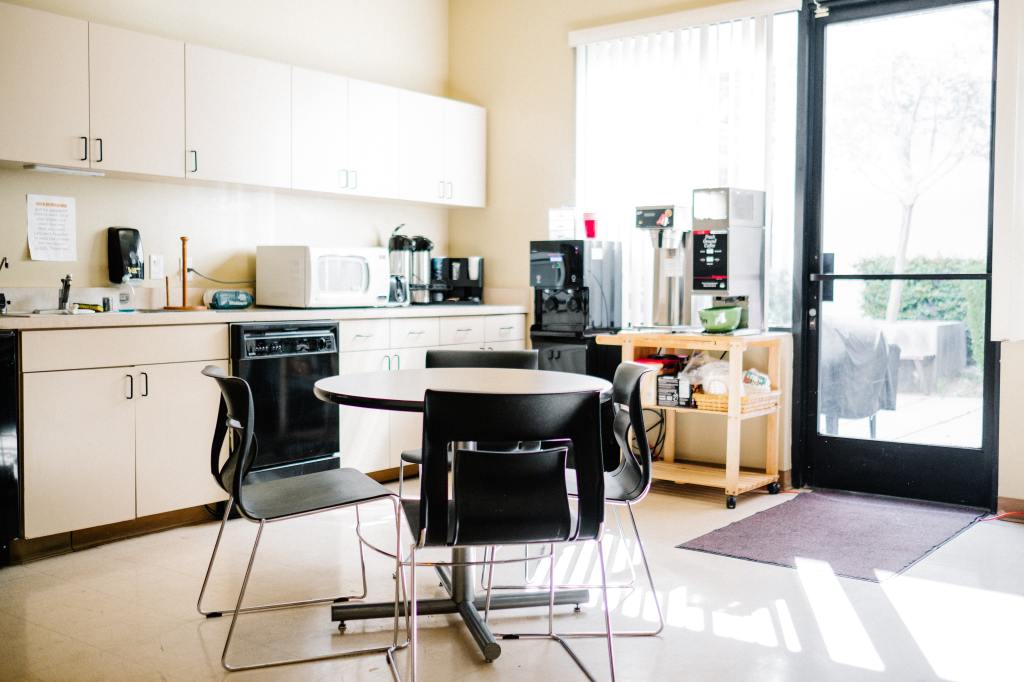
It makes sense that teachers are going to converse about students in breaks through the school day. I think my main reflection recently has been the tonality of those conversations. Some sociology research has found that teachers are prone to default to negative conversations about students with colleagues3. While this was in an American context, I think that Australian schools are similar.
Having now seen a school staffroom where the dominant conversation is about the support and facilitation of learning for students, my professional perspectives have shifted. Moving through my career I will watch with interest at the conversations in the staffroom to see how they reflect the direction of the learning institution. Improving the 1% statistics for any team is going to ultimately lead to more success.
—
References
1Woods, P. (2019). The meaning of staffroom humour. In Classrooms and staffrooms (pp. 190-202). Routledge.
2Peterson, K. D., & Deal, T. E. (2011). The shaping school culture fieldbook. John Wiley & Sons.
3Hammersley, M. (2019). Staffroom news. In Classrooms and staffrooms (pp. 203-214). Routledge.
AITSL Standards:
 The Remote Teacher
Staffroom culture is always a fascinating thing to watch!
I remember arriving early for the first day of my final teaching prac (3 months) at a school in Perth, circa 1985. The staffroom seated 120. I sat down to wait. A few minutes on… An old gruff voice said, “Get out of my seat! I always sit there.”
That moment made me resolve never to be like that.
LikeLike